Two podcasts that every reader and writer must have on your playlist.
Two Podcasts for Nature Inspired Poetry

Connecting to nature through poetry and prose
Two podcasts that every reader and writer must have on your playlist.

With the leaves dropping from the branches, and the flowers curling in on themselves, the poets are spurred to pick up their pens and write about these transitions. Today we have three poems about leaves.
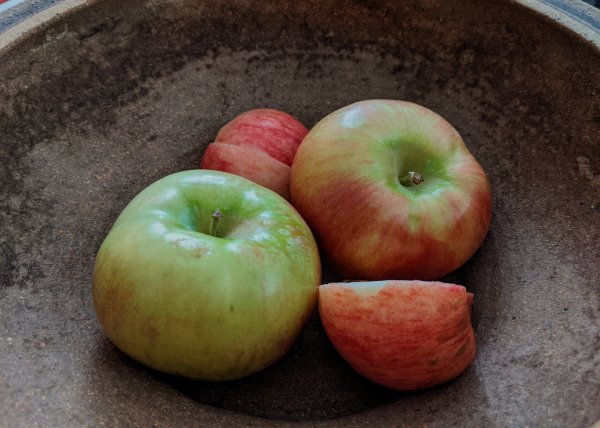
From the budding apple tree to the fall harvest, each moment of an apple’s life can find its way into poetic verse. Today we have collected four poems from four poets that will take you from the apple blossom to the apple harvest.

The pastoral elegy poem is one where the poet both focuses on the idyllic countryside and the experience of loss and death. Originating in ancient Greece, this poetic form continues today.

Emily Dickinson wrote: “Had Nature an Apostate-/ That Mushroom -it is Him!”. These lines acknowledge that mushrooms do not follow any of the traditional laws of nature. Dickinson is telling us, in her own poetic fashion, that mushrooms are a breed unto themselves. Today we have poems by Dickinson, Quinones, Sze, and Rohrer, that investigate the fascinating fungal kingdom.
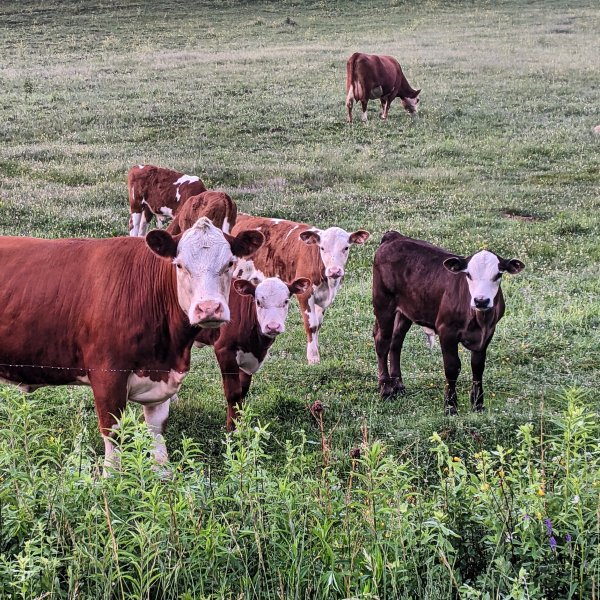
Pastoral poetry focuses on an idealized notion of the rural landscape. This tradition started with Hesiod and we can still find traces of it in the work of Wendell Berry and Dylan Thomas.
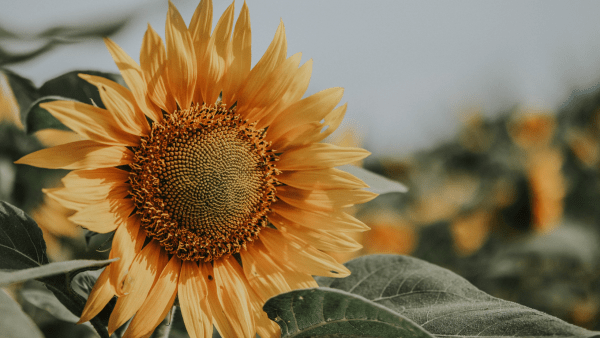
At the end of summer, sunflowers are noticeable parts of the landscape. Poets William Blake and Kenneth W. Porter have both written about the sunflower. However, their poems feel very different.

Three resources that explore the challenges and benefits of reading and writing poetry,. These sources also offer insight into the ways we can learn and grow with poetry.
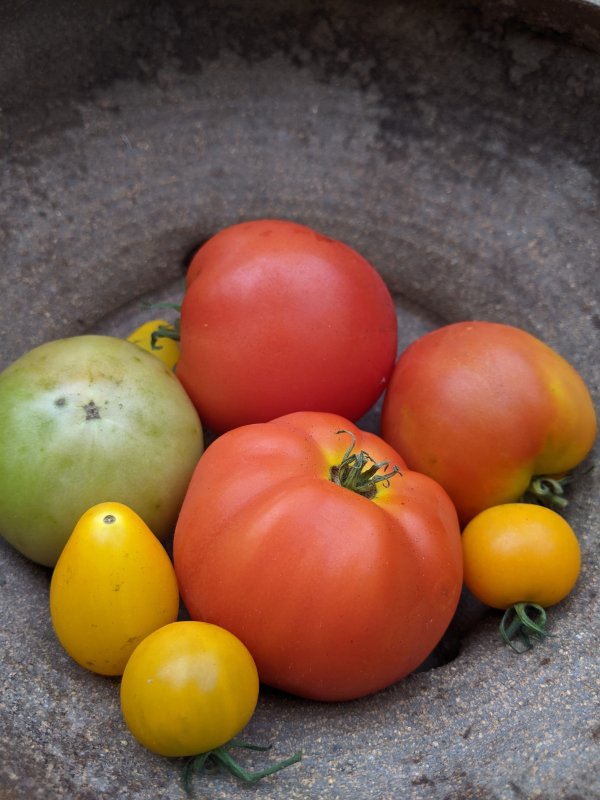
Gardens can provide us with food for our bodies and souls. Poets can help us see that connection in a new way. In today's post we have three poems that look at gardening featuring poets Beatrix Potter, Edgar Guest, and Karina Borowicz.

The 1960s brought an awareness of an emerging environmental crisis. This crisis captured the attention of poets and led to the creation of ecopoetry. Ecopoetry can then be separated into three large categories: nature poetry, environmental poetry, and ecological poetry.

The Canadian Geese migration is one of those amazing feats of the natural world. When you think about this, and then watch them fly in their V formation, it makes sense that poets like Mary Oliver and Wendell Berry would incorporate them into their verse.
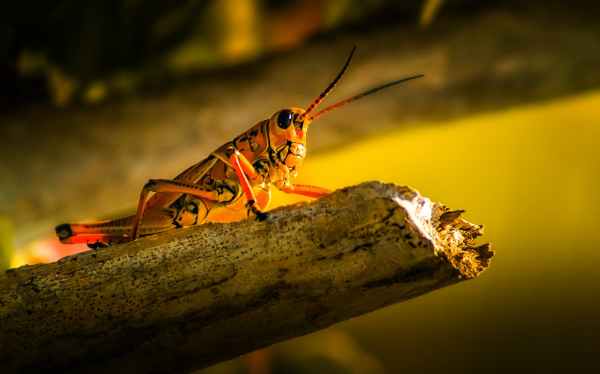
Poets John Keats (1795-1821) and Dan Beachy-Quick (b.1973) share their thoughts on crickets and grasshoppers.
 SeasonWords.com