“I didn’t know it, but I was having a 'haiku moment’- a moment when the mind stops and the heart moves”. This quote is from Margaret McGee, the author of Haiku: The Sacred Art (A Spiritual Practice in Three Lines), and it marks the beginning of her journey toward a haiku life.
Poems about Snow and Ice
Cold midwinter days provided plenty of time for poets like Wallace Stevens, Robert Frost, Matsuo Basho, and Kobayashi Issa to reflect on the snow and ice and our connection to it.
Single-line Poems about Birds?
“Write single-lines poems about birds”, the tweet said. How do you do that? It turns out in order to understand this form, we need to look at the foundations of haiku.
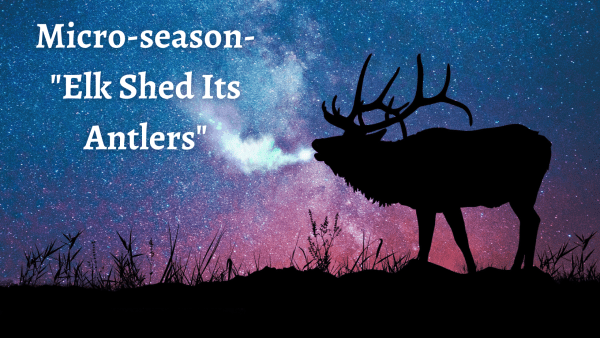
The Micro-Season of “The Elk Sheds its Horns(Antlers)”
We have entered the micro-season of “The Elk Sheds its Horns”. Elk actually have antlers, not horns. So we should be referring to this micro-season as "Elk Shed its Antlers". Our exploration into this season will look at the elk, the antlers, and a few haiku.
Poems about Trees in Winter
The forest transforms itself in the winter and to help celebrate the trees' persistence during the winter months we turn to the poets William Carlos Williams, Margaret Widdemer, and Issa for inspiration.
Contemplating Charles Foster’s Essay “Against Nature Writing”
Charles Foster declares “I’m losing confidence in words” in the opening lines of his July, 2021 essay “Against Nature Writing”. In this article, I will explore Foster's argument and then propose that haiku could be the solution.
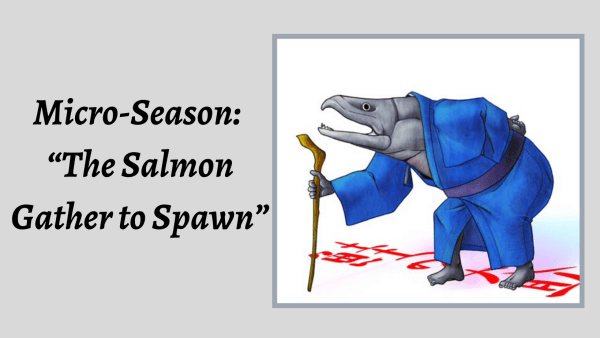
Micro-season: “The Salmon Gather to Spawn”
We have entered the micro season of “The Salmon Gather to Spawn”. This is the last season of the mini season Major Snow. This micro-season focuses on the anadromous behavior of salmon and the myth of Osuke, the king of salmon.
Mini Season: Major Snow
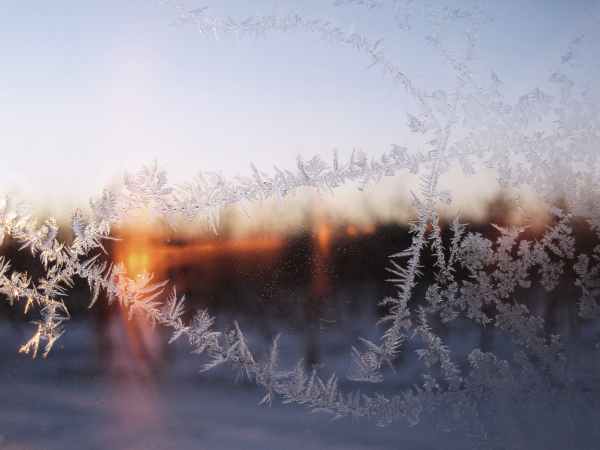
The mini season of Major Snow is marked by a drop in temperature and a noticeable decline in daylight. With this shift, frost is now a common occurrence. As a way to celebrate this season, we will look at how frost is made and then read some poetry by Issa, Buson, Toshimi, and Teasdale.
The Heart of Haiku by Jane Hirshfield
The Heart of Haiku is a short book written by Jane Hirshfield in which she investigates the evolution of Matsuo Basho’s writing and poetry. Using Basho’s own words and haiku, Hirschfield demonstrates Basho's impact on the poetic world.
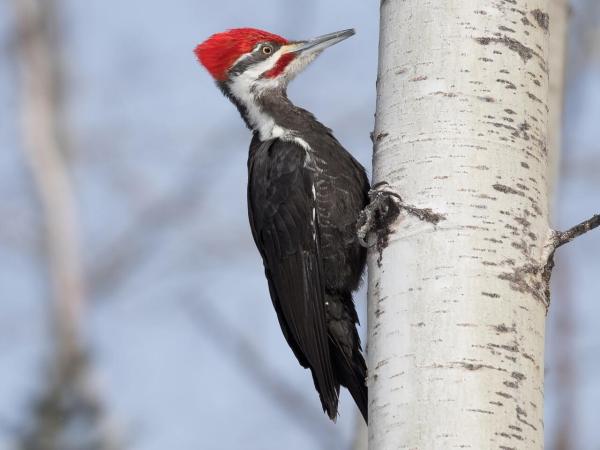
Poems About Woodpeckers
In the winter woods the sound of a woodpecker resonates through the trees. This drumming or tapping behavior of the woodpeckers makes these birds both noticeable and unique. As a result there are many poems written about them. Today we have poems by Dickinson, Alling, Basho, Issa, and Silverstein.
Basho, The Narrow Road, and Haibun
The Narrow Road to the Deep North is Basho’s third book documenting his travels in Japan, and it is considered one of the major Japanese texts from the Edo period. This book, written in haibun, demonstrates Basho’s mastery of this form. Yuasa states that the “prose and haiku illuminate each other like two mirrors held up facing each other.”
Poems about Foxes
If you happen to be lucky enough to have an encounter with a fox, you may be inspired to write a poem about it. Today we have poems for Alice Oswald, Jane Hirshfield, Issa, and a story about Basho.