Ryōkan (1758-1831) was Zen master who lived in northwestern Japan. Much of his poetry describes his experiences as a monk and demonstrates a life that is deeply connected to the natural world.
The Poetry of Ryōkan: Zen and Nature

Connecting to nature through poetry and prose
Ryōkan (1758-1831) was Zen master who lived in northwestern Japan. Much of his poetry describes his experiences as a monk and demonstrates a life that is deeply connected to the natural world.
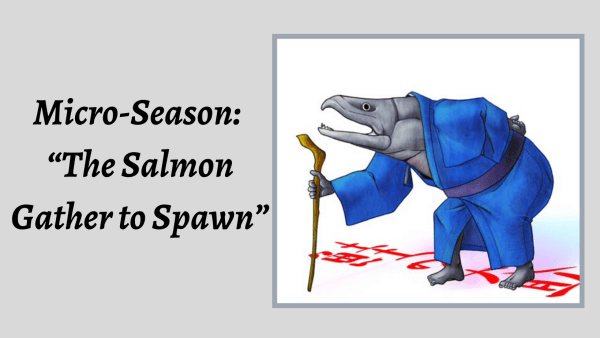
We have entered the micro season of “The Salmon Gather to Spawn”. This is the last season of the mini season Major Snow. This micro-season focuses on the anadromous behavior of salmon and the myth of Osuke, the king of salmon.
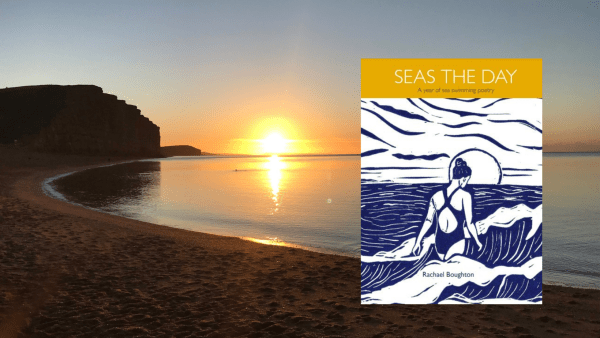
Seas the Day: A Year of Sea Swimming Poetry is Rachael Boughton’s first published collection of poetry and prose that she aptly described as “love letters” to the Sea. These poems are as much about Boughton’s connection to the ocean as they are a celebration of life.

Emily Dickinson wrote about 500 poems about the seasons. While a majority of those focused on the spring and summer, her winter poems convey a deep sense of reflection and introspection that should be highlighted.
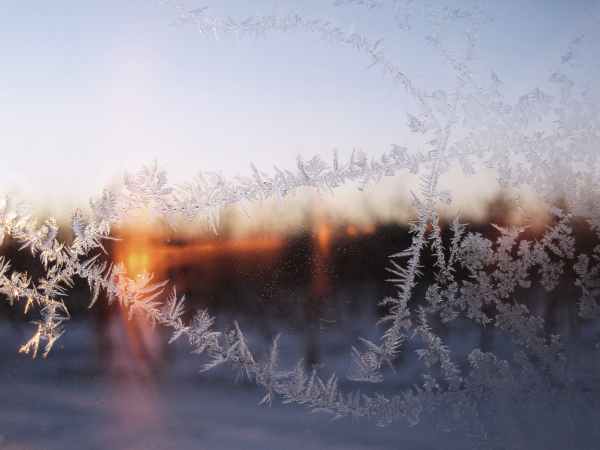
The mini season of Major Snow is marked by a drop in temperature and a noticeable decline in daylight. With this shift, frost is now a common occurrence. As a way to celebrate this season, we will look at how frost is made and then read some poetry by Issa, Buson, Toshimi, and Teasdale.

The Heart of Haiku is a short book written by Jane Hirshfield in which she investigates the evolution of Matsuo Basho’s writing and poetry. Using Basho’s own words and haiku, Hirschfield demonstrates Basho's impact on the poetic world.
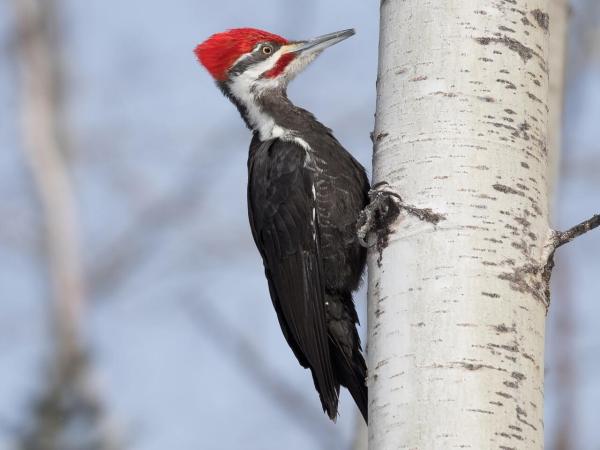
In the winter woods the sound of a woodpecker resonates through the trees. This drumming or tapping behavior of the woodpeckers makes these birds both noticeable and unique. As a result there are many poems written about them. Today we have poems by Dickinson, Alling, Basho, Issa, and Silverstein.

We have entered the mini season of Minor Snow. This season is marked by cold winds and regular snowfall. This season also brings to mind the concept of wabi-sabi.

The Narrow Road to the Deep North is Basho’s third book documenting his travels in Japan, and it is considered one of the major Japanese texts from the Edo period. This book, written in haibun, demonstrates Basho’s mastery of this form. Yuasa states that the “prose and haiku illuminate each other like two mirrors held up facing each other.”

If you happen to be lucky enough to have an encounter with a fox, you may be inspired to write a poem about it. Today we have poems for Alice Oswald, Jane Hirshfield, Issa, and a story about Basho.

Basho's poem about the moon glow and the drifting clouds makes me think about the Buddhist teaching of the Two Truths. However, I wanted to know what other people thought. So I asked and what I learned was pretty fascinating.
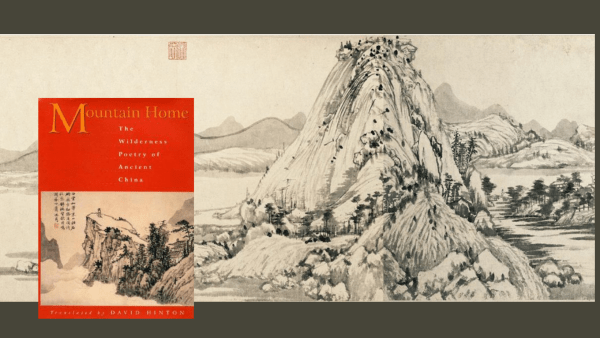
In Mountain Home: The Wilderness Poetry of Ancient China, David Hinton traces the rivers-and-mountains tradition from its origins in the 5th century C.E. to the Sung Dynasty (13th century). "Fundamentally different from the writing that employs the ‘natural world' as the stage or materials for human concerts, this poetry articulates a profound and spiritual sense of belonging to a wilderness of truly awesome dimensions."
 SeasonWords.com